
Отчет Marmomac о тенденциях 2026 года: почему гибкий камень — это материал, за которым следят архитекторы.
Выставка Marmomac 2026 — 60-я по счету ведущая мировая выставка каменной промышленности — пройдет с 22 по 25 сентября в Веронафиере, Верона, Италия. Ее программа будет посвящена теме «материалы × цифровое производство × архитектурный дизайн» (основной доклад Карло Ратти «От материала к коду»). Самый очевидный сигнал выставки: отрасль отходит от тяжелых, жестких плит в сторону легких, гибких, обрабатываемых цифровым способом поверхностных материалов. Гибкий камень (мягкий камень MCM) толщиной всего 2–8 мм является наиболее подходящим вариантом для решения этой проблемы. Мягкий камень Wayon имеет подтвержденный SGS класс огнестойкости A2-s1,d0 (EN 13501-1), изгибается на 180° вокруг 40-миллиметровой оправки без образования трещин (ISO 24344) и выдерживает 25 циклов замораживания-оттаивания без видимых изменений (EN 14617-5) при удельной плотности всего 3,50 кг/м² при толщине 3 мм. Все эти показатели получены на основе измерений образцов, предоставленных компанией Wayon — см. данные SGS ниже.
Введение: Какие сигналы о выборе материалов посылает Marmomac 2026?
Каждый сентябрь мировая цепочка поставок камня собирается в Вероне, Италия. Но Marmomac 2026 — это не просто очередная выставка, а 60-я, и программа первого дня уже обозначила направление развития материалов на следующие 12–18 месяцев: цифровое производство, компьютерное проектирование и целостная концепция «от карьера до мастерской». Для архитекторов, подрядчиков, дистрибьюторов и застройщиков эта статья обобщает три основных сигнала, которые посылает выставка в отношении выбора материалов, и подробно рассматривает материал, который соответствует этим тенденциям: гибкий камень от Wayon Stone.
Почему одна выставка имеет такое большое значение? Потому что Marmomac находится на стыке двух аудиторий: системы торговли и обработки камня (торговцы блоками, производители плит, производители оборудования) с одной стороны и авангардного дизайна (архитектурные бюро, научно-исследовательские институты, лаборатории материалов) с другой. Когда эти две группы сходятся во мнении по одному и тому же набору вопросов — цифровое производство, эффективность использования материалов, криволинейная геометрия — эти вопросы перестают быть экспериментами и начинают превращаться в формальные проектные спецификации. В разделах ниже подробно рассматриваются сигналы выставки, технические характеристики гибкого камня, данные о его производительности, подтвержденные независимыми экспертами, а также руководство по выбору поставщиков для инженерных групп.
Что такое Marmomac 2026 — и почему это важно?
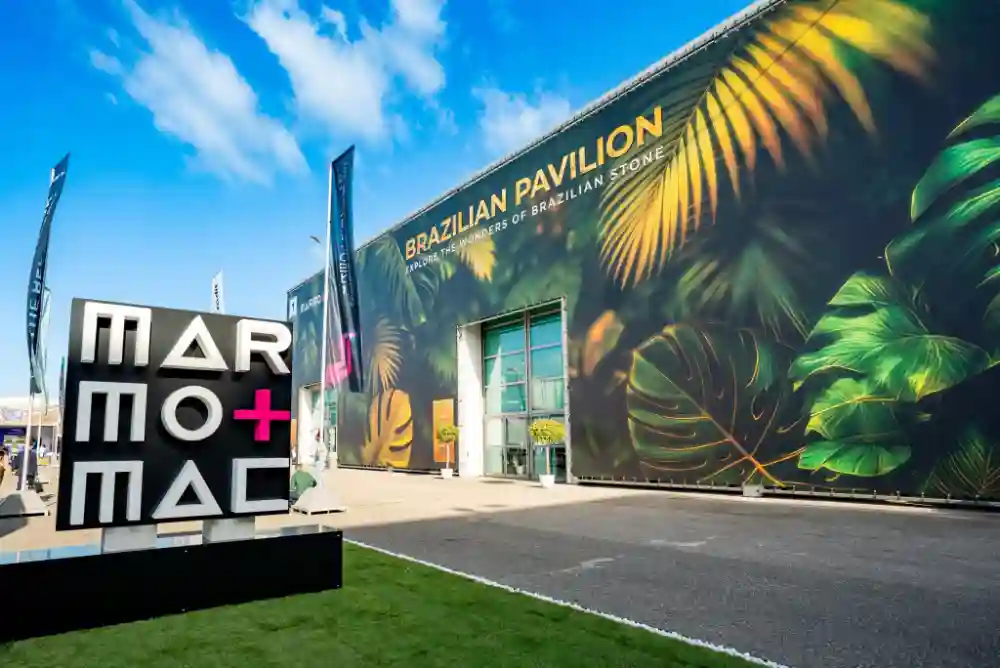
Marmomac — ведущая мировая выставка, посвященная всей цепочке производства и обработки натурального камня, от добычи и блоков до готовой продукции, оборудования и технологий. В 2026 году выставка проводится в 60-й раз; она открылась 22 сентября в Веронафиере, Италия, и продлится до 25 сентября. Согласно официальной информации для участников Marmomac, выставка привлекает компании и покупателей со всего мира, а сеть официальных представителей охватывает более 40 стран Европы, Азии, Африки, Северной и Южной Америки и Океании.
Три структурные особенности объясняют, насколько сильное влияние оказывает выставка на выбор материалов:
- Выставка охватывает всю производственную цепочку, а не только готовые материалы. В отличие от выставок, ориентированных исключительно на дизайн, Marmomac демонстрирует блоки и горнодобывающее оборудование, станки с ЧПУ, алмазный инструмент и технологии обработки поверхности наряду с готовыми плитами. Тенденции, представленные здесь, основаны на том, что производственные цепочки действительно могут обеспечить — именно поэтому выставка служит «индикатором на 12–18 месяцев» для определения проектных спецификаций.
- Торговля и культурное кураторство развиваются параллельно. Известная экспериментальная зона дизайна выставки — Итальянский каменный театр — заказывает архитекторам и дизайнерам создание интерактивных инсталляций из натурального камня, превращая исследования материалов в пространство, которое посетители могут ощутить на собственном опыте. Многие поверхности, текстуры и форматы, которые впоследствии появляются в вестибюлях отелей и флагманских магазинах розничной торговли, дебютируют именно здесь.
- Программа мероприятий определяет основные темы для обсуждения в отрасли. Помимо конференц-залов, форумы и дискуссионные площадки приглашают на сцену архитекторов, инженеров и исследователей, а их выступления фактически представляют собой «список задач» отрасли на следующий цикл. Программа на 2026 год явно ориентирована на цифровое производство и конвейер «от материала к коду» — тема следующего раздела.
Для покупателей вывод прост: категории материалов, форматы и стандарты качества, обсуждаемые на этой неделе в Вероне, — это то, на что командам по закупкам придется рассчитываться при составлении коммерческих предложений в следующем году.
Каковы три основные темы конференции Marmomac 2026?
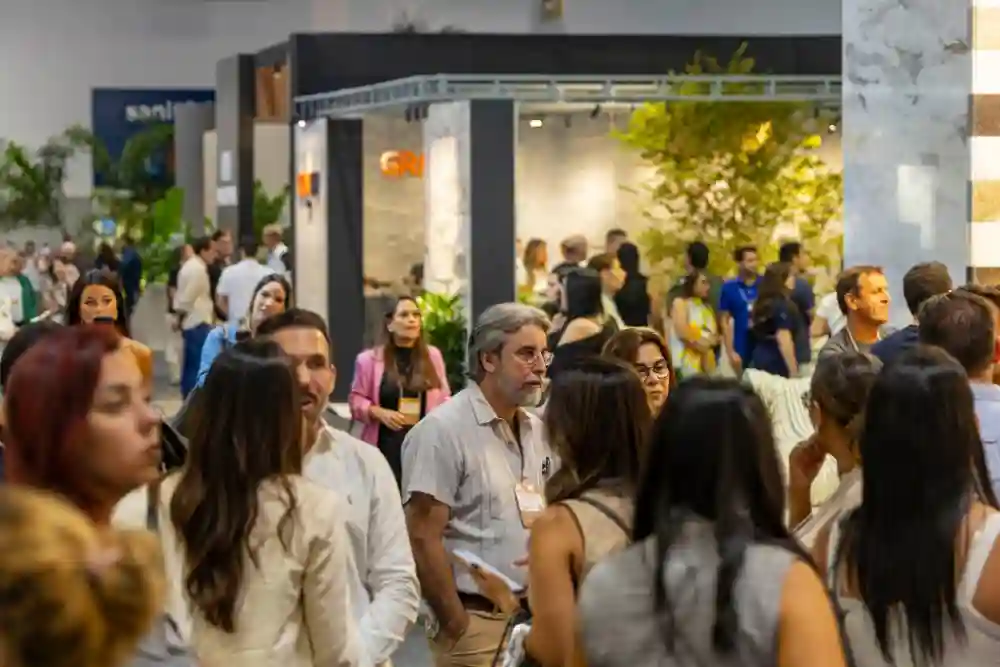
Три основные темы Marmomac 2026 — это цифровое производство, инновации в материалах и путь от камня к архитектуре. В день открытия Карло Ратти выступил с программным докладом «От материала к коду: цифровое производство и будущее изготовления», охватившим сканирование материалов, компьютерное проектирование, роботизированное производство и прецизионную сборку; за ним последовал доклад «От карьера к ремеслу: как камень становится архитектурой и дизайном».
Для покупателей и дизайнеров эти три темы сводятся к трем конкретным вопросам выбора материалов.
Тема первая: Материал × Код — Камень в цифровом конвейере
В своем программном докладе Карло Ратти изложил главный тезис выставки: в современном строительстве материал — это уже не просто физическая материя, а еще и набор данных. Сканирование материалов, параметрическое моделирование, роботизированная резка и прецизионная сборка вместе образуют то, что в докладе было названо конвейером «материал — код». Для камня это означает, что блоки и поверхностные материалы все чаще сканируются, их характеристики моделируются, а их обработка автоматизируется.
Выбор очевиден: материалы одинаковой толщины и стандартного формата листа могут быть напрямую интегрированы в рабочий процесс CAD-CAM — размечены на экране, вырезаны на станке, установлены с точностью до допусков, — в то время как материалы с широким диапазоном изменения толщины — нет. Именно здесь сверхтонкие листовые материалы обладают цифровым преимуществом: гибкий каменный лист толщиной 2–8 мм ближе к «печатаемому» материалу, чем плита, выпиленная из блока.
Тема вторая: От карьера к ремеслу — эффективность как этика.
Вторая тема, «От карьера до ремесла», прослеживала весь путь камня от добычи до готового архитектурного изделия и поднимала вопрос о ресурсах отрасли. Каждый квадратный метр облицовки из натурального камня толщиной 20–30 мм соответствует непропорционально большому объему добычи блоков, воды, энергии для резки и весу груза. Поскольку отчетность об устойчивом развитии становится стандартной практикой в коммерческом строительстве, вопрос, стоящий перед дизайнером, становится еще более актуальным: сколько гор на самом деле нужно моему фасаду?
Материалы, обеспечивающие аутентичную текстуру камня при использовании каменной крошки и натурального песка в качестве основного сырья — вместо постоянного потребления новых блоков — полностью соответствуют этой концепции; то же самое относится и к материалам, достаточно легким, чтобы сократить выбросы от транспортировки на квадратный метр. Концепция эффективности перестает быть просто вопросом экономии затрат; она превращается в концепцию углеродной эффективности, и команды по закупкам уже проводят аудит цепочек поставок в соответствии с ней.
Третья тема: Изогнутая архитектура свободной формы встречается с материальной реальностью.
Третья тема — сама архитектурная форма. Инструменты компьютерного проектирования сделали создание арочных стен, цилиндров, двойных кривых и фасадов свободной формы проще, чем когда-либо, — но умение нарисовать кривую не то же самое, что умение её облицовать. Жесткие каменные плиты и спеченные панели не могут гнуться; для создания дуги требуется дорогостоящая сегментация, профилирование на станках с ЧПУ и видимые прерывистые стыки. Разрыв между тем, что обещает параметрическая модель, и тем, что позволяют жесткие материалы, является одним из скрытых препятствий в современном строительстве.
Ответ, предложенный на выставке — и повторяющийся на стендах нескольких участников — это рост популярности изначально гибких поверхностных материалов: изделий, разработанных с учетом пластичности на этапе производства сырья, способных повторять изгибы поверхностей без сегментации. Именно здесь вступает в дискуссию категория гибкого камня, и именно ей посвящена оставшаяся часть этой статьи.
Что такое гибкий камень (мягкий камень MCM)?
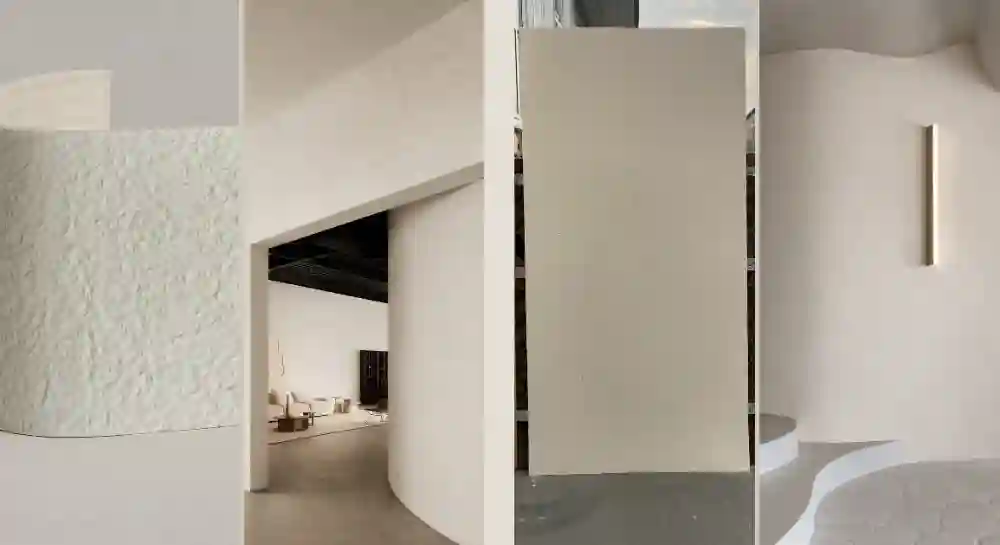
Гибкий камень (также называемый мягким камнем MCM или ультратонким мягким камнем) — это изгибаемый архитектурный поверхностный материал толщиной всего 2–8 мм. Он изготавливается из натурального песка, каменной крошки и кварцевого песка в качестве основных сырьевых материалов, смешанных с экологически чистой эмульсией и композитным методом, формованным с помощью точного контроля температуры кривой и технологии фотохимической изомеризации. Он воспроизводит тонкую текстуру натурального камня, оставаясь при этом гибким и простым в укладке.
В отличие от обычных тонких каменных панелей, гибкий камень Wayon изготавливается из композитного материала по экологически чистой рецептуре и обладает множеством защитных свойств: огнестойкостью, гидроизоляцией, устойчивостью к атмосферным воздействиям, УФ-излучению, старением, коррозией, бактериостатическими свойствами и очисткой воздуха — в соответствии со стандартами экологичного строительства. Стандартные большие форматы значительно сокращают количество стыков.
600×1200 мм (24"×48", 0,72 м²)
1200×2400 мм (48"×96", 2,88 м²)
1200×3000 мм (48"×120", 3,60 м²)
Возможны нестандартные размеры по индивидуальному заказу.
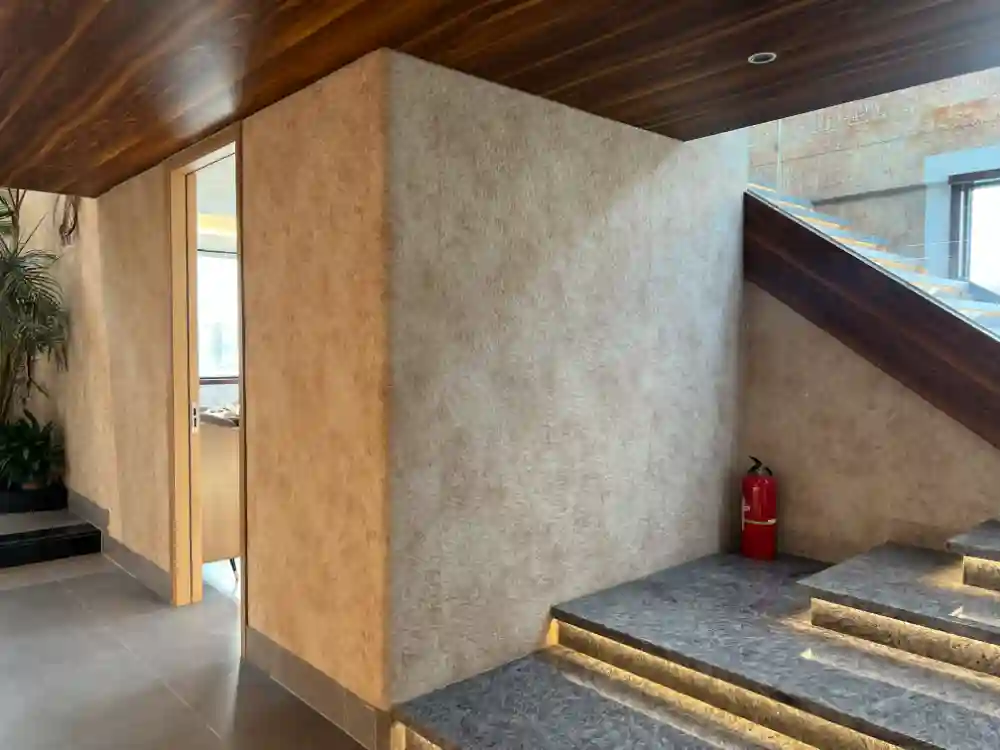
Ассортимент текстур включает травертин, сланец, бетон и утрамбованную землю — среди типичных моделей можно выделить MC402 «Грубый гранит», MC301 «Травертин» и MC401 «Утрамбованная земля» — и широко используется в отелях, розничной торговле, офисах, при ремонте жилых помещений, для фасадов, потолков, декоративных стен и в сборном строительстве.
Почему протоколы испытаний лучше описаний материалов?
Дизайнерам следует рассматривать описания «под камень» как отправную точку, а не как доказательство. Гибкий поверхностный материал становится пригодным для проекта только после того, как его огнестойкость, способность к изгибу и поведение при атмосферных воздействиях будут протестированы в соответствии с признанными стандартами и задокументированы в форме, которую можно представить на утверждение. Именно поэтому путь сертификации важнее любого прилагательного: он превращает собственное заявление поставщика в документ, который может проверить специалист по пожарной безопасности, консультант по фасадам или страховщик клиента. При сравнении гибких каменных изделий запрашивайте классификацию реакции на огонь по стандарту EN 13501-1, результаты испытаний на изгиб по стандарту ISO 24344 и отчеты о атмосферных воздействиях серии EN 14617 — те же три семейства документов, которые указаны ниже.
Что показывают данные испытаний SGS, проведенных Уэйоном?
Приведенные ниже показатели эффективности получены из пяти отчетов SGS об испытаниях гибкого камня Wayon (мягкий камень MCM), охватывающих четыре параметра: огнестойкость, физические свойства, экологическая безопасность и химическая безопасность.
Особое внимание следует уделить одному моменту: указанные значения являются результатами измерений, проведенных на собственном продукте компании Wayon, и не означают, что каждый гибкий камень демонстрирует одинаковые характеристики. Гибкий камень — это категория, а не стандарт: составы сырья, эмульсионные системы и процессы формования значительно различаются у разных производителей; класс огнестойкости может варьироваться от B до A2, а способность к изгибанию, водопоглощение и химическая безопасность могут существенно отличаться. Поэтому характеристики никогда не следует оценивать по названию категории «гибкий камень», а по подтверждаемым отчетам независимых сторонних лабораторий, которые может предоставить поставщик.
Ниже приведены шесть пунктов, которые проектировщик должен представить непосредственно инспектору пожарной охраны, консультанту по фасадам или страховой компании клиента.
- Классификация пожарной опасности A2-s1,d0 измеряется, а не записывается (EN 13501-1:2018). Испытания, проведенные в соответствии с EN 13823 (один горящий объект) и EN ISO 1716, показали, что гибкая каменная облицовка Wayon толщиной 3,0 мм получила оценку A2 по пожароопасности, s1 по дымообразованию и d0 по образованию горящих капель — наилучшие показатели как в категории дымообразования, так и в категории образования капель. Более показательными являются данные, лежащие в основе: индекс скорости распространения огня (FIGRA₀.₂MJ) всего 28,6 Вт/с, общее тепловыделение за 600 секунд 0,8 МДж, общее дымообразование 43,4 м², валовая теплотворная способность 1,5 МДж/кг, и отсутствие горящих частиц или капель в ходе трех испытаний. Для проектов, которые должны пройти европейскую противопожарную экспертизу общественных зданий, именно эта классификация должна быть указана в проектной документации. В отчете также указана область применения — основания типа А1 или А2, механическое крепление, отсутствие соединений — что стоит уточнить на этапе проектирования, сверив данные с конкретной конструкцией.
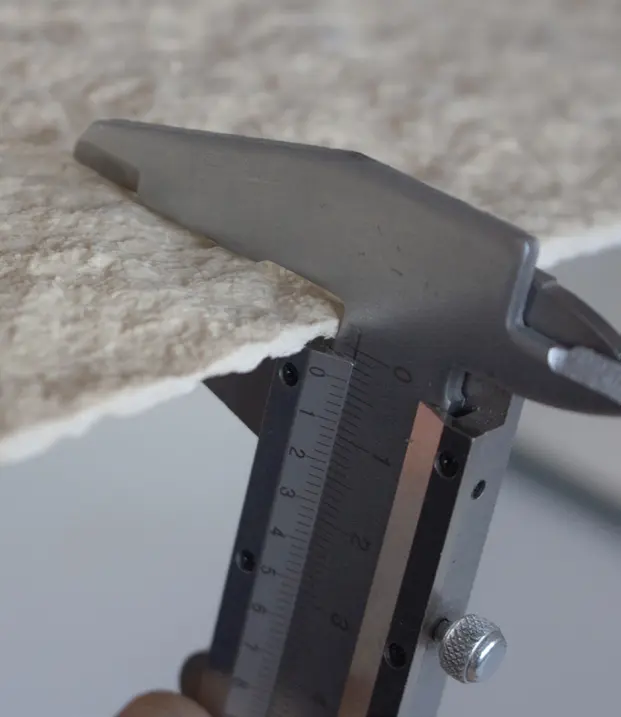
2. Вес: 3,50 кг/м² при толщине 3 мм, кажущаяся плотность 1813 кг/м³. Это наиболее важный показатель при проведении ремонтных работ. Обычная облицовка из каменных плит толщиной 20 мм весит примерно 50–80 кг/м², тогда как гибкая каменная облицовка Wayon толщиной 3 мм имеет удельную плотность всего 3,50 кг/м² — на порядок меньше. Эта разница определяет, можно ли вообще использовать каменную отделку на фасаде высотного здания или на полу коммерческого здания с легким стальным каркасом, и напрямую снижает вес груза на квадратный метр облицовки.
3. Гибкость: изгиб на 180° вокруг 40-миллиметровой оправки без образования трещин (ISO 24344:2008, метод A). В ходе испытаний образцы изгибались на 180° вокруг 40-миллиметровой оправки в течение 3–5 секунд без образования трещин — что также отражает улучшение собственных показателей компании Wayon: в отчете SGS за 2025 год для того же испытания на изгиб на 180° использовалась 90-миллиметровая оправка, поэтому сертифицированная способность к изгибу удвоилась за год. На практике колонны и крутые дуги можно обернуть одним непрерывным листом — без сегментации, без видимых соединений.
4. Устойчивость к атмосферным воздействиям: 25 циклов замораживания-оттаивания и 20 циклов термического шока без видимых изменений (EN 14617-5 / EN 14617-6). Испытание на замораживание-оттаивание начиналось с 48 часов при 40 °C и 48 часов погружения в воду при 20 °C, затем повторялось 25 циклов замораживания при −20 °C / оттаивания при 20 °C без видимых изменений внешнего вида; испытание на термический шок проводилось в течение 20 циклов: «18 часов при постоянной температуре 70 °C + 6 часов погружения в воду при 15 °C», также без видимых изменений. Эти два отчета являются доказательной базой для наружного применения в холодном климате и регионах с резкими перепадами температур.
5. Химическая и экологическая безопасность: формальдегид, тяжелые металлы, мономер винилхлорида и вещества, представляющие особую опасность согласно регламенту REACH, прошли проверку. Выбросы формальдегида не обнаружены (<20 мг/кг против предельного значения 120 мг/кг); миграция восьми тяжелых металлов (мышьяка, бария, кадмия, хрома, ртути, свинца, сурьмы, селена) не обнаружена; мономер винилхлорида не обнаружен (<0,10 мг/кг против предельного значения 0,2 мг/кг). Последняя проверка охватила 253 вещества из списка веществ, представляющих особую опасность согласно регламенту ECHA REACH, плюс одно вещество, ожидающее идентификации, все в концентрации ≤0,1% (масс./масс.). Для больниц, школ, гостиниц и любых проектов, связанных с качеством воздуха в помещениях или документацией по соответствию регламенту REACH, эти отчеты являются завершающими этапами проверки.
6. Прочность сцепления и водостойкость клеевого соединения подтверждены измерениями. Прочность на растяжение составила 0,3 МПа (EN 1348:2007); водопоглощение – 8,1% (EN 14617-1:2013); а в испытании на водостойкость после 24 часов контакта с влажной губкой набухание по толщине составило всего 0,55% без видимого расслоения по краям (ISO 13894-1:2000). В совокупности эти три результата объясняют, почему гибкий камень Wayon можно устанавливать с помощью клея и он не требует механической системы крепления.
Как компания Flexible Stone отвечает каждому тренду Marmomac 2026?
Тренды Marmomac 2026 | Вопрос дизайнера/покупателя | Решение от Flexible Stone |
Материалы × цифровое производство | "Можно ли создать его с помощью САПР, вырезать на станке с ЧПУ и установить с соблюдением допусков?" | Однородные листы толщиной 2–8 мм, нарезанные стандартными инструментами; большие форматы подходят для параметрической компоновки и сборного строительства. |
От карьера к ремеслу | "Можно ли сократить объем добычи, сохранив при этом аутентичную текстуру камня?" | В качестве основных сырьевых материалов используются каменная пыль и природный песок; расход первичных блоков на квадратный метр значительно ниже, чем у плит. |
Изогнутая, произвольная форма | «Как облицовать арочную стену или колонну без использования сегментов?» | Изгиб на 180° вокруг оправки диаметром 40 мм без растрескивания (ISO 24344); бесшовное соединение на изогнутых и неровных стенах. |
Устойчивое развитие и логистика | «Как уменьшить вес груза и объем строительной нагрузки?» | Сверхлегкие листы снижают выбросы вредных веществ при транспортировке на квадратный метр; подходят для фасадов высотных зданий и реконструкции. |
Волна реконструкции | «Можно ли заново облицовать старое здание без демонтажа старой облицовки?» | Склеивается непосредственно с прочными существующими основаниями — более короткий срок выполнения, более низкая стоимость. |
Гибкий камень практически идеально отвечает трем главным трендам выставки: его можно обрабатывать цифровым способом; он значительно легче традиционной каменной облицовки — 3,50 кг/м² при толщине 3 мм; и он физически изгибается, повторяя изгибы стен, колонн и арок, с углом изгиба 180° вокруг 40-миллиметровой оправки без растрескивания (ISO 24344) — чего не могут обеспечить жесткие панели.
Ещё один момент, касающийся цифрового производства, заслуживает внимания. Сборное строительство — очевидное применение гибкого камня — является наиболее наглядной областью применения принципа «материал — строительный норма»: моделируются стеновые блоки, листы укладываются и нарезаются на заводе, а работы на площадке превращаются в сборку. Тонкий, лёгкий, однородный лист, который легко режется и склеивается простым клеевым способом, близок к идеальному сборному материалу; плита толщиной 30 мм, требующая расчётов на анкерное крепление, — это полная противоположность.
Гибкий камень, натуральная плита или керамогранит: как выбрать подходящий вариант для проекта?
Для проектов, чувствительных к весу или имеющих изогнутые формы, гибкий камень обычно выигрывает по стоимости и практичности монтажа; для горизонтальных поверхностей, подверженных высоким нагрузкам, таких как столешницы, кварц или натуральные плиты остаются правильным выбором. Эти три материала дополняют друг друга, а не заменяют.
Измерение | Гибкий камень (2–8 мм) | Плита из натурального камня (20–30 мм) | Фарфоровая плита / спеченный камень |
Вес на м² | ~3,50 кг/м² при толщине 3 мм (измерено методом SGS) | ~50–80 кг | ~25–35 кг |
Изогнутые/неправильные стены | Отлично — повторяет контуры субстрата. | Требует дорогостоящей механической обработки; в значительной степени нецелесообразно. | Очень ограниченный |
Реконструкция старых зданий | Идеально — практически без дополнительной нагрузки | Часто структурно невозможные | Работоспособный, но тяжелый. |
Скорость установки | Быстрое, стандартное клеевое крепление | Медленно — квалифицированный труд плюс закрепление на месте | Умеренный |
Огненное представление | A2-s1,d0 (EN 13501-1), без вредного дыма | Негорючий | Негорючий |
Устойчивость к воздействию окружающей среды / УФ-излучения | Пройдено 25 циклов замораживания-оттаивания + 20 циклов термошока (SGS). | Зависит от типа камня. | Хороший |
Типичные области применения | Фасады, изогнутые стены, колонны, фасады объектов культурного туризма, декоративные стены в интерьере, потолки. | Столешницы, полы, монументальная облицовка из гипсокартона. | Стены и полы большого формата |
Три практических способа прочитать эту таблицу:
Решения о реконструкции принимаются быстрее всего. Когда конструкция не может выдерживать большую нагрузку — старые отели, здания рядом с объектами культурного наследия, многопролетные коммерческие перекрытия — отделка, измеряемая в миллиметрах и граммах, часто является единственным вариантом «под камень», который проходит конструктивную экспертизу, в то время как плита, измеряемая в сантиметрах и килограммах, — нет.
Геометрия кривых определяется законами физики. Если конструкция содержит настоящие кривые, то выбора практически нет; жесткие материалы просто не могут повторять форму основания. Радиус изгиба в 40 мм означает, что цилиндрические колонны, изогнутые боковые элементы и стены с арочными проемами могут быть облицованы сплошным однослойным материалом.
Для каких областей применения подходит гибкий камень?
Область применения материала Flexible Stone охватывает фасады, интерьеры и сборные конструкции — везде, где необходима аутентичная текстура камня, но этому препятствуют вес, кривизна или ограничения, связанные с ремонтом. Ниже представлены наиболее распространенные категории проектов.
Фасады и облицовка высотных зданий. Устойчивость к атмосферным воздействиям (УФ-излучение, гидроизоляция, морозостойкость, термический шок) в сочетании с очень небольшой дополнительной статической нагрузкой делают ультратонкий гибкий камень подходящим материалом для программ модернизации башен — добавление 50–80 кг/м² плиты невозможно, а добавление нескольких миллиметров вполне осуществимо. Большой формат 1200×3000 мм обеспечивает редкие и аккуратные стыки фасада.
Интерьеры отелей и магазинов. Отели, рестораны и флагманские бренды хотят создать атмосферу камня, не неся при этом логистических затрат. Текстуры травертина и утрамбованной земли как раз и обеспечивают теплую минеральную эстетику, которая сейчас так популярна в дизайне гостиничных помещений, и применяются для стен, оформления ресепшена, колонн и потолков — включая изогнутую геометрию, которую бренды все чаще используют для того, чтобы выделиться.
Декоративные стены и потолки. Очень малый вес материала снижает несущую нагрузку на стены и потолки во всю высоту, а его гибкость позволяет создавать скульптурные перегородки, а также выпуклые и вогнутые потолочные конструкции. Листы нарезаются стандартными инструментами, поэтому регулировка светильников, патронов и соединений на месте выполняется быстро.
Реконструкция старых зданий. Прямая облицовка на прочные существующие основания (плитка, штукатурка, бетон) сводит объем работ от «демонтажа и перестройки» к «подготовке поверхности»: более короткие сроки, меньшие затраты и значительно меньше отходов при сносе. Именно в этом заключается логика реконструкции, объясняющая популярность гибкого камня в проектах городского обновления и адаптивного повторного использования.
Культурный туризм и тематические проекты. Текстуры из утрамбованной земли и сланца в сочетании с высотой листов в 3 метра идеально подходят для фасадов объектов культурного туризма, выставочных пространств и тематических магазинов — ситуаций, требующих создания атмосферы в больших масштабах, быстро и экономично.
Сборные конструкции. Стеновые блоки, изготовленные вне строительной площадки, могут быть отделаны гибким камнем еще до отправки с завода — вес листа практически не влияет на расчеты подъема, а заводские работы более точны, чем работы на строительной площадке.
60 лет ярмарке, 44 года Уэйону
Выставка Marmomac отметила свой 60-й юбилей не благодаря какому-либо хиту года, а благодаря тому, что каждый сентябрь на протяжении 60 лет подряд в Вероне собирается вся мировая цепочка поставок камня — карьеры, техника, дизайн и стандарты объединяются в одном городе и задают направление для следующего шага. Такое постоянное присутствие само по себе является величайшей уверенностью для отрасли.
В этом году Wayon Stone исполняется ровно 44 года. На фоне выставки, существующей уже 60 лет, мы видим себя скорее учениками: мы учимся у нее приверженности стандартам, неустанного исследования границ возможностей материалов и готовности объединить коммерцию и дизайн. Цифровизация, устойчивое развитие, изогнутый дизайн — каждое направление, обсуждавшееся на этой выставке, войдет в список разработок для нашего следующего поколения гибкого камня.
Учиться на этом, двигаться вперед вместе, расти вместе. Камень — древний материал, но пока каждое звено в цепи продолжает инвестировать и развиваться, он может продолжать расти еще 60 лет. Это также наше самое простое понимание устойчивого развития: производить качественный продукт, предоставлять надежные данные и передать следующие 44 года непрерывным инновациям.
Камень — один из немногих материалов, который сопровождал всю историю человеческого строительства — от храмов и городских стен до современных башен, художественных музеев и реконструкции городов. Он хранит в себе не только стиль, но и понимание «долговечности» и «красоты» определённой эпохи. Выставка может состоять из 60 выпусков, а компания может просуществовать 44 года не благодаря изобретательности какого-либо одного поколения, а потому что задача постоянно передаётся следующему поколению. Мы готовы в каждом последующем цикле продолжать эту простую работу: позволить этому древнему материалу быть понятым и использованным заново в новых технических условиях — чему мы учимся у предшественников отрасли и что оставляем на следующие 60 лет.
Хотите ознакомиться со всей коллекцией гибких каменных панелей?
Ознакомьтесь с полным ассортиментом продукции онлайн (гранит MC402, травертин MC301, утрамбованная земля MC401 и многое другое), изучите полный пакет отчетов SGS (классификация огнестойкости EN 13501-1, ISO 24344 (изгиб), EN 14617 (атмосферостойкость), EN 15102 (экологическая безопасность, проверка REACH на наличие особо опасных веществ) и запросите бесплатный набор образцов. 👉 Гибкий камень · Новая свобода для европейского дизайна — посетите специальную страницу Marmomac 2026
Как вы можете приобрести гибкий камень в Уэйоне?
Заказ гибкого камня напрямую у производителя включает четыре этапа: запрос образцов → подтверждение соответствия характеристик основанию и противопожарным нормам → фиксация размеров и текстуры → организация оптовой закупки и консультации по установке. Модель прямых поставок с завода сокращает цикл до нескольких дней и исключает затраты на посредников.
Запросите образцы и цветовую палитру. Проверьте текстуру и гибкость вручную — начните с отдельной страницы или страницы товара . Набор образцов позволит вашей команде согнуть, поцарапать и сравнить цветовые пластины перед размещением заказа.
Проверьте соответствие требованиям. Запросите полный пакет отчетов SGS для вашего проекта: классификация реакции на огонь EN 13501-1:2018 (A2-s1,d0), испытание на изгиб ISO 24344, отчеты по замораживанию-оттаиванию и термическому шоку EN 14617-5/14617-6, результаты EN 15102 по миграции формальдегида и тяжелых металлов, а также заключение по проверке REACH на наличие особо опасных веществ (SVHC). Именно эти документы проверяются в рамках европейских процедур сертификации, и они поставляются вместе с товаром, а не предоставляются после его приобретения.
Настройте под себя. Подтвердите размеры (стандартные форматы или для конкретного проекта), текстуры (грубый гранит / травертин / утрамбованная земля / сланец / бетон) и количество материалов для проекта. Разработка напрямую с завода означает, что соответствие цветовой гамме проекта — это вопрос производства, а не компромисс в закупках.
Доставка и монтаж. Легкие листы снижают стоимость доставки за квадратный метр; заводская поддержка CAD-проектирования и инструкции по монтажу сокращают сроки выполнения работ на объекте. Оптовая торговля, изготовление на заказ и экспорт осуществляются по единому каналу, удовлетворяя как потребности в оптовых закупках, так и в разработке индивидуальных проектов.
Часто задаваемые вопросы (FAQ)
- Какие темы будут обсуждаться на конференции Marmomac 2026?
- Программа мероприятий на 2026 год сосредоточена на теме «материалы × цифровое производство × архитектурный дизайн», главными темами которой станут доклад Карло Ратти «От материала к коду: цифровое производство и будущее изготовления» и доклад «От карьера к ремеслу: как камень становится архитектурой и дизайном».
- Что нового представлено на этой итальянской выставке камня — новые материалы, новые открытия или интересные экспонаты?
- Наиболее значимым событием является переход от цифровизации материалов к цифровизации на всех этапах производства: сканирование, параметрическое моделирование и автоматизированное изготовление объединяются в единый рабочий процесс, благодаря чему камень начинает входить в процесс проектирования с двойной идентичностью — данные плюс материал. Что касается материалов, то все больше внимания уделяется сверхтонким, легким, гибким поверхностным материалам и низкоуглеродной обработке, а масштабные инсталляции Итальянского каменного театра продолжают демонстрировать новые методы обработки поверхности и эксперименты с форматами. Основные моменты можно суммировать в трех пунктах: вступительная речь задала тон цифровому производству, тема «От карьера к ремеслу» поставила эффективность и устойчивость на один уровень, а коммерческие стенды и кураторство дизайна взаимно подтверждают друг друга на одной площадке.
- Насколько широко цифровые технологии уже проникли в камнеобрабатывающую промышленность?
- Технология перешла от демонстрации к проектированию. Сканирование и параметрическое моделирование позволяют восстанавливать текстуры и предварительно планировать компоновку панелей; станки с ЧПУ и пятиосевая обработка обеспечивают повторяемость формованных компонентов; сборное строительство переносит работы на строительной площадке на завод. Для покупателей это означает, что в запросах от поставщиков следует требовать предоставления данных о размерах и допусках обработки, импортируемых в САПР, а не только цветовых карт и фотографий.
- В чём заключается самая большая проблема, стоящая перед камнеобрабатывающей промышленностью в настоящее время?
- Четыре фактора давления: энергоемкость и стоимость — обработка энергоемка, а затраты на электроэнергию и рабочую силу постоянно растут; соответствие нормативным требованиям — требования к документации по экологической, углеродной и химической безопасности в Европе становятся все более детализированными; нехватка квалифицированных кадров — количество опытных специалистов по обработке и монтажу сокращается в нескольких производственных регионах; и логистика — вес камня делает его чрезвычайно чувствительным к транспортировке. Вместе эти четыре фактора объясняют, почему отрасль активно ищет более тонкие, легкие и не требующие больших габаритов материалы: это не эстетический выбор, а выбор, обусловленный стоимостью и соответствием нормативным требованиям.
- Какова прогнозируемая тенденция развития камнеобрабатывающей промышленности в 2027 году?
- В программе этого выпуска можно выделить четыре направления: ① цифровые спецификации — совместимые с CAD-CAM размеры и данные о характеристиках становятся стандартными требованиями к тендерной документации; ② облегчение конструкции — тонкие панели и композитные облицовочные материалы продолжают заменять традиционные толстые плиты в высотных и реконструкционных зданиях; ③ углеродная политика — экологические декларации и данные о жизненном цикле на протяжении всего жизненного цикла переходят из разряда бонусов в базовый уровень; ④ кривые и свободная форма — параметрическое проектирование продолжает создавать растущий спрос на фасады необычной формы. Поставщики, которые сейчас готовят свои комбинации продукции и документации в соответствии с этими четырьмя направлениями, будут иметь преимущество в цикле тендеров 2027 года.
- Будет ли продолжать развиваться дизайн с изогнутыми и произвольными формами?
- Да, и рост смещается от знаковых зданий к обычным проектам. С распространением параметрических инструментов арочные стены, изогнутые потолки и колонны необычной формы перестали быть прерогативой немногих архитектурных бюро; их также начинают использовать в основных коммерческих и гостиничных проектах. Настоящее узкое место находится не в дизайне, а в материалах — жесткие панели, обращенные к кривой, могут быть сегментированы, что увеличивает количество стыков, сроки выполнения и стоимость. Это побочный эффект тренда на кривые формы: он работает в обратном направлении и фильтрует материалы.
- Почему гибкий камень актуален в контексте тенденций выставки этого года?
- Он находится на пересечении всех трех аспектов: однородные листы толщиной 2–8 мм изначально совместимы с цифровой разметкой и резкой; вес, значительно меньший, чем у обычных плит, отвечает концепции снижения веса; а возможность изгиба на 180° делает возможным создание параметрических кривых. Именно на этом фоне гибкий камень Wayon все чаще включается в списки спецификаций европейских проектов.
- Действительно ли гибкий камень может обволакивать изогнутые стены и колонны?
- Да, это его главное преимущество. При испытаниях на изгиб, проводимых SGS, он обхватывает оправку диаметром 40 мм на 180° без образования трещин (ISO 24344, метод A), что позволяет бесшовно наносить его на изогнутые поверхности, дугообразные стены и нерегулярные конструкции, где жесткие каменные или фарфоровые плиты могут быть сегментированы.
- Огнестойкость ли у гибкого камня? Безопасен ли он для использования внутри помещений?
- По обоим параметрам он соответствует требованиям. Мягкий камень Wayon был протестирован компанией SGS в соответствии со стандартом EN 13501-1:2018 с классом огнестойкости A2-s1,d0 — FIGRA₀.₂MJ всего 28,6 Вт/с, THR₆₀₀ₛ 0,8 МДж и без образования горящих капель. Что касается химической безопасности, формальдегид, восемь миграций тяжелых металлов и мономер винилхлорида не были обнаружены, а содержание всех 253 веществ из списка веществ, представляющих особую опасность для здоровья (SVHC) REACH, плюс одно вещество, ожидающее идентификации, составило ≤0,1% (по массе) — именно та документация, которая обычно требуется для проектов больниц, школ и гостиниц.
- Для каких проектов лучше всего подходит гибкий камень?
- Коммерческие здания, фасады объектов культурного туризма, интерьеры отелей и коммерческих помещений, реконструкция старых зданий, изогнутые декоративные стены, колонны и модернизация потолков — любая ситуация, требующая аутентичной каменной текстуры при ограничениях по весу или жесткости конструкции.
Чему могут научиться китайские компании, занимающиеся производством изделий из камня, на этой выставке?
Выделяются три момента: уважение к стандартам — отношение к протоколам испытаний как к части продукта, а не как к маркетинговому материалу; терпение на протяжении всей цепочки — четкое разграничение ответственности от карьера до переработки и установки; и привычка интегрировать проектирование в НИОКР — вовлекать архитекторов и инженеров-материаловедов в обсуждение одной и той же темы. Китайские производители уже обладают преимуществом в эффективности производства и вспомогательных возможностях; следующая задача — кто сможет перевести это преимущество на язык, который можно будет напрямую использовать в глобальных проектах.